Reliable air filtration solutions are essential in protecting equipment from contaminants that can cause significant damage and operational inefficiencies. In various industries, particularly those involving sensitive machinery, clean air is crucial for ensuring optimal performance and longevity of equipment. Dust, dirt, pollutants, and other airborne particles can infiltrate machines, clogging components, causing overheating or leading to corrosion. These issues not only result in costly repairs but also in unscheduled downtime, which can affect productivity and increase operational costs. The importance of air filtration systems lies in their ability to create a barrier that prevents harmful particles from reaching vital equipment. This includes industrial machinery, computer systems, medical devices, and even HVAC systems that are critical for maintaining comfortable and safe working environments. When air filtration is implemented correctly, it helps extend the lifespan of these systems, ensuring that they continue to perform at their best without the risk of unnecessary wear and tear.
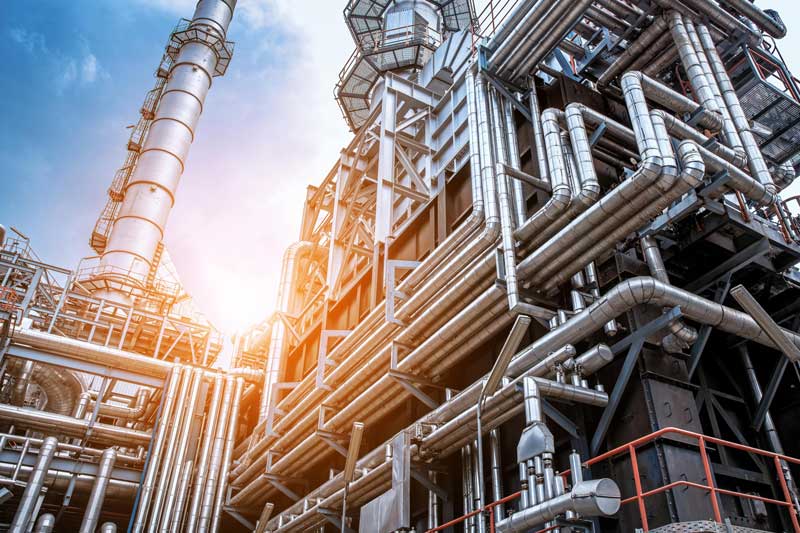
Filtration systems can vary greatly in terms of design and effectiveness, depending on the specific needs of the environment and the equipment being protected. Basic filters may only capture larger particles, while more advanced systems are designed to trap microscopic contaminants, including bacteria, viruses, and fine dust. HEPA High-Efficiency Particulate Air filters, for example, are known for their ability to remove up to 99. 97% of particles that are 0. 3 microns or larger, providing a high level of protection. Other systems use electrostatic or activated carbon filters to target a broader range of contaminants, such as gases and volatile organic compounds VOCs. The implementation of air filtration solutions is particularly vital in industries like pharmaceuticals, food processing, and electronics manufacturing, where the precision of equipment must be maintained to avoid product defects and contamination. In cleanrooms or laboratories, click here now https://thewebmagazine.org/air-filtration-and-moisture-separation-in-nitrogen-generation-processes/where the air quality must meet stringent standards, the consequences of air contamination can be dire, affecting not only equipment but also the quality and safety of the products being developed.
For this reason, the design and maintenance of air filtration systems in these settings must be closely monitored, ensuring that filters are replaced regularly and that the system is operating at peak efficiency. In addition to safeguarding equipment, reliable air filtration can contribute to the overall health and safety of workers. Contaminants in the air can cause respiratory problems and allergic reactions, leading to absenteeism and reduced workforce productivity. By filtering out harmful particles, a well-designed filtration system creates a cleaner, safer environment for everyone in the facility. Moreover, industries that rely on precision equipment benefit from the added advantage of maintaining an environment free from airborne contaminants that could otherwise interfere with the delicate operations of sensitive machinery. Ultimately, investing in high-quality air filtration solutions provides long-term benefits that far outweigh the initial costs. These systems not only preserve the functionality of equipment but also contribute to the overall efficiency, safety, and productivity of an organization.